Plumbing problems have a way of arriving at the worst possible time. A slow drip in the middle of the night or a sudden flood in the basement can turn a calm day into a major headache. The difference between a minor repair and a major renovation often comes down to preventive care and timely attention. This article lays out practical steps that homeowners can use to avoid large, expensive fixes and keep pipes, fixtures, and appliances running smoothly.
Preventing Major Plumbing Repairs is not about complicated tactics. It is about simple routines, seasonal checks, and knowing when to step back and call in a trained tradesperson. Below you will find clear guidance, realistic examples, and hands on tips you can apply right away to reduce risk and extend the life of key plumbing systems in your home.
Common Causes of Major Plumbing Failures
Understanding what typically causes severe plumbing trouble helps you prioritize preventive actions. The most frequent culprits include old or corroded pipes, tree root intrusion, frozen lines, mineral buildup, improper installations, and neglecting small leaks until they worsen. Each of these issues tends to escalate over time and can lead to structural damage or mold when left unchecked.
- Age and corrosion Older metal pipes weaken and can crack or burst under pressure.
- Root intrusion Tree roots seek moisture and can invade sewer lines, causing blockages and collapse.
- Freezing When exposed pipes freeze they can split, and thawing often reveals large cracks.
- Mineral deposits Hard water can reduce flow, stress joints, and shorten the life of water heaters and fixtures.
- Poor installation Incorrectly fitted joints and mismatched materials can leak and fail prematurely.
Routine Maintenance Tasks That Prevent Major Plumbing Repairs
Regular, low cost checks prevent escalation. A monthly walk through your home to check visible pipes, fixtures, and appliance connections will catch many issues before they grow. Look for wet spots, discoloration, drips, and unusual sounds in pipes. Keep a simple maintenance log so you can spot trends over weeks and months.
If you prefer professional help for upkeep, a scheduled service can significantly prevent costly plumbing issues by addressing wear patterns and replacing parts before failure. Even one annual check can highlight slow leaks, worn seals, and pressure irregularities that are invisible to the untrained eye.
Inspecting drains and traps
Clean kitchen and bathroom sink traps periodically to remove hair, grease, and debris. Use a drain cover to reduce solids entering the system. For disposals, run cold water while operating and avoid putting fats or fibrous waste down the drain.
Checking water heaters and pressure settings
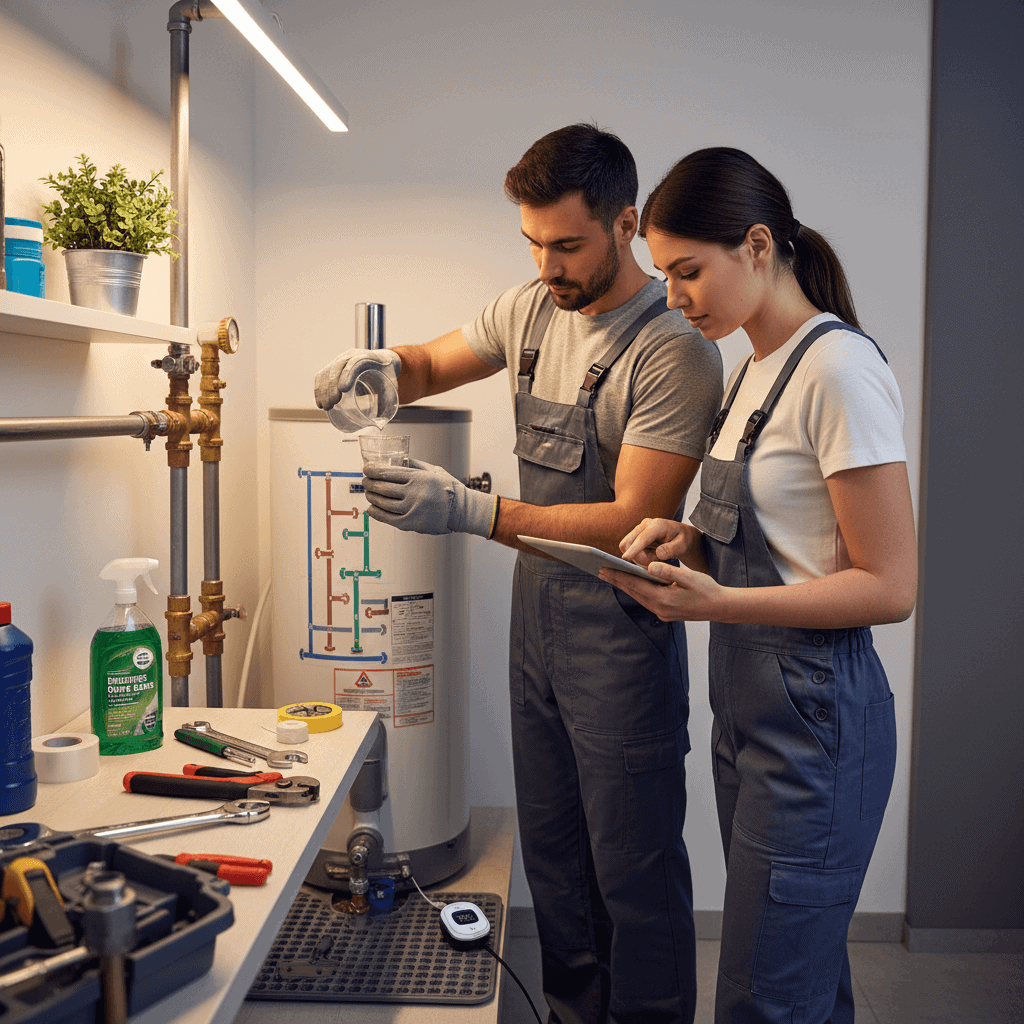
Flush water heaters annually to remove sediment that reduces efficiency and causes overheating. Check the temperature and pressure relief valve to make sure it opens and closes freely. High system pressure stresses joints and fixtures; adjust pressure with the main regulator if readings exceed the recommended level for your home.
Spotting Early Warning Signs of Major Damage
Small indicators often precede major failures. Learning what to watch for gives you time to act before damage spreads. Pay attention to these red flags.
- Unexplained increases in water bills A steady upward trend without increased usage commonly means a hidden leak.
- Stains on walls or ceilings Brown or dark spots can signal slow leaks in upper floors or in wall cavities.
- Persistent low pressure Sudden drops in pressure after routine checks suggest blockages, broken lines, or failing valves.
- Slow drains Toilets and sinks that back up slowly point to developing clogs or partial sewer line blockages.
- Unusual odors Musty or sewage smells indicate venting problems or sewer leaks that need immediate attention.
Seasonal Tasks to Reduce Risk of Major Repairs
Seasons bring specific risks. Taking a few targeted actions each change of season can prevent some of the most destructive and costly problems.
- Before winter Insulate exposed pipes in basements and crawlspaces. Drain and store outdoor hoses. Keep cabinet doors open under sinks to let warm air circulate during cold spells.
- After winter Inspect for damage caused by freezing. Check outdoor spigots and irrigation valves for cracks or leaks.
- Spring checks Clean gutters and downspouts to prevent water from pooling near foundation walls. Inspect sump pumps and test backups.
- Summer readiness Have irrigation controllers and backflow preventers serviced before heavy use.
DIY Tips That Save Money and Time
There are safe do it yourself tasks that will extend component life and reduce the chance of a major job. Here are practical options you can handle with minimal tools and no special training.
- Tighten loose handles and fittings A small leak from a worn washer or slightly loose nut can be fixed with basic hand tools.
- Replace damaged hoses Appliance hoses for washing machines and dishwashers have limited life spans. Swap them every five to seven years or sooner if you see bulging or cracking.
- Clear minor clogs Use a plunger or a hand auger for blockages in toilets and sinks. Avoid chemical drain cleaners that can corrode pipes and harm finishes.
- Test shutoff valves Turn main and fixture shutoff valves fully on and off once a year to keep them from seizing.
When to Call a Professional
There are times when a do it yourself approach is risky or ineffective. Knowing when to call a licensed plumber limits damage and can save money compared with emergency repairs after a failure.
Emergency situations
Call a pro immediately for burst pipes, sewage backups, major flooding, or when you smell natural gas. These scenarios require prompt, trained intervention and proper equipment to repair and to check for related hazards like electrical damage or mold.
Planned professional checks
Arrange an annual inspection that includes the sewer line, water heater, pressure tests, and a thorough leak survey. Professionals can spot signs of hidden damage and recommend practical fixes or necessary replacements to avoid large scale interventions later.
Cost Savings From Regular Maintenance
Routine care is an investment that produces measurable returns. Repair bills for collapsed sewer lines, replacement of water damaged floor joists, or full water heater failures can run into the thousands. In contrast, periodic inspections, small part replacements, and seasonal protection are a fraction of that cost and extend the life of major components.
- Lower energy costs A tuned and flushed water heater uses less energy than one clogged with sediment.
- Reduced emergency calls Regular checks catch issues early so interventions are scheduled and less expensive.
- Higher property value A well maintained plumbing system shows in inspection reports and can make a difference when selling.
To put this into perspective, replacing a failed water heater and addressing subsequent floor damage could cost several thousand dollars. A yearly drain and heater flush costing a few hundred dollars prevents that large outlay and keeps appliances running longer.
Practical Checklist to Prevent Major Plumbing Repairs
Use this simple checklist to guide quarterly and annual work. Keep a copy near your home’s main shutoff valve so it is easy to reference.
- Monthly visual inspection of exposed pipes and fixtures
- Quarterly drain cleaning in high use areas
- Annual water heater flush and valve test
- Replace flexible appliance hoses every five years or at first sign of wear
- Test and exercise shutoff valves annually
- Seasonal insulation and outdoor spigot checks
- Schedule a professional sewer camera inspection if you notice repeated clogs or tree root invasion
Keeping a simple diary of dates, observations, and actions taken will help you track the health of your system and provide useful notes for a hired technician when work is needed.
Conclusion
Preventing Major Plumbing Repairs is realistic and practical when you combine steady small habits with targeted seasonal care and timely professional input. The biggest savings come from catching small issues early, replacing parts before failure, and protecting pipes from weather and root damage. Regular inspections, flushing water heaters, testing valves, and swapping aged hoses are low effort steps that remove much of the risk of a large, disruptive repair.
Take action now by setting a simple maintenance schedule. Start with a monthly visual check and add seasonal tasks to your calendar. If you are unsure about a pattern you see or prefer professional maintenance, arranging a routine service visit is a smart move that reduces both stress and long term cost. A brief investment in upkeep keeps systems reliable and can add years to the life of your plumbing. Contact a licensed plumber for an inspection this season and protect your home from expensive surprises.