As technology continues to change our world, I see how it offers new ways to support our senior loved ones. Making sure they are safe and connected, especially during an emergency, is a top priority for families and caregivers. My experience shows that smart planning and the right tools make all the difference for their peace of mind and well-being.
I understand that sometimes new technology can feel confusing or overwhelming. But modern emergency tech for seniors focuses on being easy to use and very reliable. This is about giving older adults more independence and security in their own homes and lives.
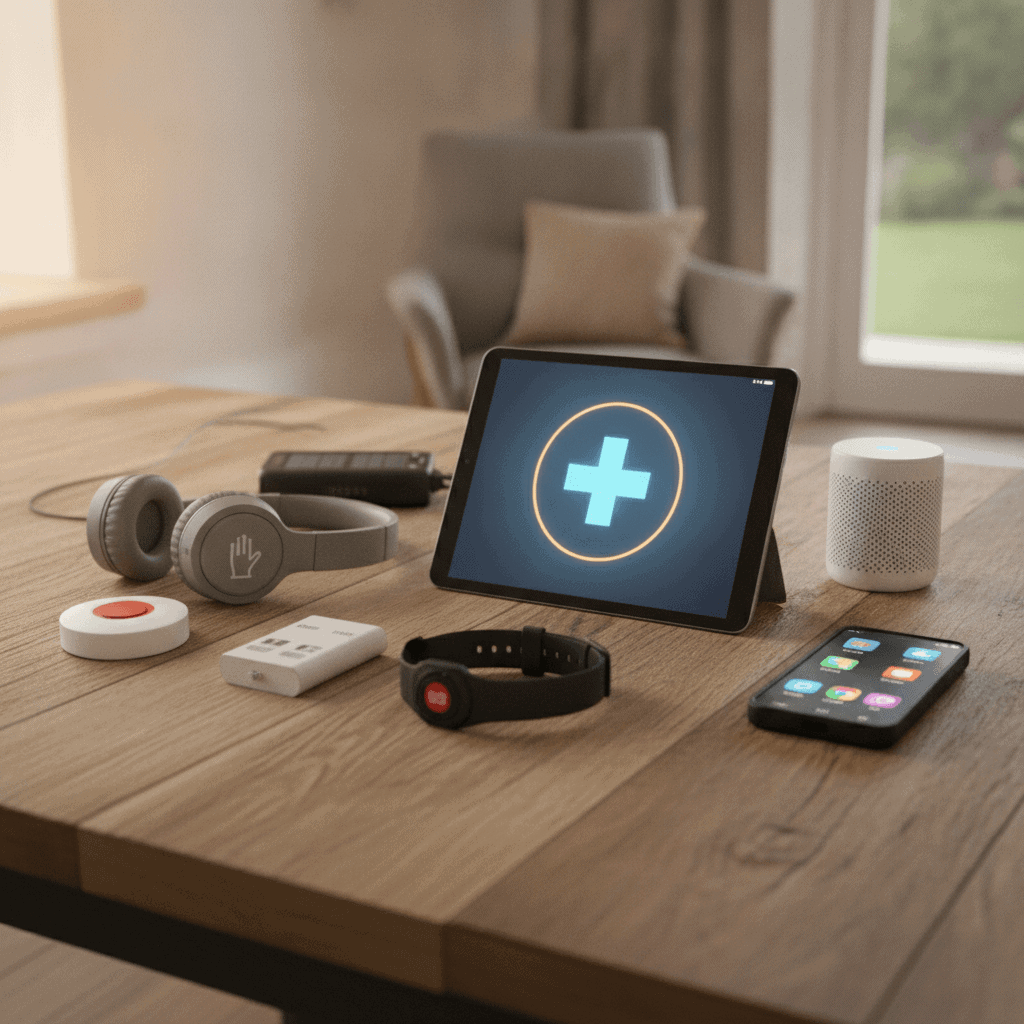
We are going to explore the key pieces of technology that form your essential toolkit for senior emergency tech. These items are designed to provide immediate assistance and constant monitoring, which creates a safer living environment for everyone involved.
Understanding the Need for Senior Emergency Technology
I have seen firsthand how quickly situations can change, especially for seniors living alone. A sudden fall, an unexpected illness, or even a power outage can turn a normal day into a crisis. This is why having reliable emergency technology is not just convenient, it is absolutely necessary.
Many older adults want to stay in their homes as long as possible. This wish for independence is strong. Technology helps make that possible by offering solutions that watch over them without being intrusive. I believe in giving seniors the freedom they want, but also the safety net they need.
The right tech can provide an immediate link to help. It bypasses complex steps and connects them directly to family members, caregivers, or emergency services. This quick response can be critical in situations where every second counts. For me, it is about empowering seniors and their families with practical, effective tools for daily living and unexpected events.
The Benefits of Proactive Tech Integration
Integrating emergency technology before a crisis hits is a smart move. It allows everyone to get comfortable with the tools and systems when things are calm. This readiness reduces stress and confusion when a real emergency occurs.
These devices can also help prevent emergencies from getting worse. For instance, fall detection systems can alert caregivers even if a senior cannot speak. This early notification means help arrives faster, which can limit injuries or other negative outcomes. I always emphasize practicing with new tech, so everyone feels confident when they need it most.
Personal Emergency Response Systems (PERS)
Personal Emergency Response Systems, or PERS, are often the first thing I recommend when talking about senior emergency tech. These systems are simple, effective, and truly life-saving. They typically involve a wearable button that connects to a monitoring center or designated contacts.
When the button is pressed, it immediately sends an alert. This means help is on the way even if the senior cannot reach a phone or speak. I have heard countless stories where these systems made a crucial difference during a medical emergency or a fall.
Many modern PERS devices now include automatic fall detection. This feature uses sensors to identify a fall and then automatically triggers an alert. This is incredibly valuable for seniors who might be unconscious or unable to activate the button themselves. It adds an extra layer of protection, which I find very reassuring.
Choosing the Right PERS Device
When selecting a PERS device, I consider a few important factors. First, think about whether the senior needs an in-home system or a mobile one. In-home units connect to a base station in the house, offering coverage within a certain range. Mobile units have GPS and cellular connectivity, so they work almost anywhere the senior goes.
Next, consider features like two-way communication directly through the device. This allows the senior to speak with the monitoring center without needing a phone. Battery life is another key consideration, especially for mobile devices. I always suggest looking for systems with long-lasting batteries and easy charging.
Smart Home Devices for Enhanced Safety
Smart home technology offers a wide array of benefits for senior safety beyond traditional emergency systems. I have seen how these devices can create a more secure and responsive environment. They simplify daily tasks and also provide critical alerts when needed.
For example, smart lighting systems can be programmed to turn lights on automatically when a senior walks into a room. This reduces the risk of falls in dimly lit areas. Smart thermostats can maintain a comfortable and safe temperature, which prevents issues related to extreme heat or cold. These small adjustments can have a big impact on overall safety.
Door and window sensors are another powerful tool. They can alert caregivers if a senior with memory issues tries to leave the house at unusual hours. Motion sensors can also track activity patterns, notifying family if there is a lack of movement for an extended period. This kind of passive monitoring provides a safety net without infringing on privacy. I truly believe that technology can help us maintain dignity and security.
Voice Assistants and Smart Speakers
Voice-activated assistants like Amazon Alexa or Google Home are more than just entertainment devices. I use them myself for many things, and they are excellent for seniors. They offer hands-free communication and emergency capabilities.
Seniors can use voice commands to make calls to family or emergency contacts. They can also set reminders for medication or appointments. In an emergency, a simple voice command can trigger a pre-programmed alert. This is especially helpful for those with limited mobility or vision challenges, making communication much easier.
Reliable Communication Tools
Maintaining clear and consistent communication is paramount in any emergency plan. For seniors, having access to dependable communication technology can be a lifeline. I find that the simpler the device, the better, but it must be robust enough to work when traditional systems might fail.
Satellite phone service is one such solution that offers unparalleled reliability. Unlike cell phones that rely on ground-based towers, satellite phones connect directly to orbiting satellites. This means they often work in areas where cellular service is unavailable or knocked out during a widespread emergency. For seniors in rural areas or those who travel, this can be an essential tool.
I always emphasize the importance of having backup communication methods. A simple landline can be reliable if it is not cordless and therefore not reliant on power. However, for true independence from local infrastructure, satellite communications are hard to beat. I also encourage families to set up a communication tree, so everyone knows who to call and in what order. Knowing that help can be summoned through technology for senior emergencies brings a great deal of comfort.
Ensuring Power for Critical Devices
Power outages are a common emergency, and they can render many tech devices useless. I always advise having a plan for keeping essential communication and emergency devices charged. Portable power banks are excellent for recharging phones and smaller devices.
For more extensive needs, a small generator or a solar charging kit can provide power for longer durations. Make sure these are easy for seniors to operate or that someone can quickly set them up for them. Backup battery systems for PERS units are usually built-in, but it is wise to double-check their run time.
Health Monitoring and Alert Systems
Beyond immediate emergency response, technology also offers solutions for continuous health monitoring. I have seen how these systems help manage chronic conditions and alert caregivers to potential health issues before they become critical. This proactive approach to health can significantly improve a senior’s quality of life and safety.
Wearable devices can track vital signs like heart rate, activity levels, and sleep patterns. Some even have advanced features that detect irregular heart rhythms or send alerts if specific health metrics fall outside a normal range. This data can be shared with family or doctors, providing valuable insights into a senior’s health trends. For those managing diabetes or high blood pressure, these tools can be game-changers.
Medication dispensers are another invaluable piece of the toolkit. They can be programmed to dispense the correct dosage at the right time and also issue audible or visual reminders. Some even alert caregivers if a dose is missed. This helps seniors adhere to their medication schedules, which is vital for their health and preventing complications. I believe that these smart health tools empower seniors to take an active role in managing their own well-being with a safety net in place.
Telehealth and Remote Doctor Visits
Telehealth has changed how many seniors access medical care. I believe this technology is especially useful for those with mobility challenges or living far from clinics. Remote doctor visits allow seniors to consult with healthcare professionals from the comfort of their home.
This reduces the need for travel and also minimizes exposure to illnesses in waiting rooms. It is not just for routine check-ups. Telehealth can also be used for urgent consultations, helping determine if an in-person visit is truly necessary. This access to immediate medical advice through technology is a vital component of a senior emergency toolkit, especially during widespread health events.
Ensuring Data Privacy and Security
When adopting technology for seniors, I always emphasize the importance of data privacy and security. These devices collect personal and often sensitive health information. So, it is critical to ensure that this data is protected. I advise families to research the security policies of any tech product they consider.
Look for companies that are transparent about how they handle data and that use strong encryption methods. Understanding who has access to the data and how it is shared is very important. This vigilance helps protect seniors from potential misuse of their personal information.
Regular software updates for devices are also key to maintaining security. These updates often include patches for newly discovered vulnerabilities. I make sure that all devices are set to update automatically or that a trusted family member manages this task regularly. Taking these steps ensures that the benefits of technology do not come at the cost of privacy or security.
Educating Seniors and Caregivers
Education is a big part of effective tech use. I believe that seniors and their caregivers should both understand how the emergency technology works. This includes knowing how to activate alerts, how to respond to notifications, and what steps to take during different types of emergencies.
Hands-on practice helps build confidence. We should take the time to walk through various scenarios. This way, everyone feels prepared and less anxious. I often suggest creating a simple, step-by-step guide for each device, with large print and clear instructions. This makes the technology an ally, not a source of confusion.
Preparing for the Unexpected with Technology
In wrapping up, I want to reiterate that creating an essential toolkit for senior emergency tech is an act of care and foresight. It combines practical gadgets with a thoughtful plan to ensure safety, independence, and peace of mind for our elders. From personal emergency response systems and smart home integration to reliable communication methods and health monitoring, each piece plays a role in building a robust safety net. My experience shows that while technology changes rapidly, the core need for security and connection remains constant. We have seen how smart devices and remote care options can greatly enhance a senior’s ability to live safely and independently. Proactive integration and understanding how these tools function are critical steps. I encourage everyone to explore these options and create a personalized plan. Equip your senior loved ones with these vital tools today. Give them the confidence to live fully and independently, knowing help is always within reach.